
Arborists in San Jose, CA, Explain How Tree Roots Can Impact Your Home.
What to Do with Damaging Tree Roots
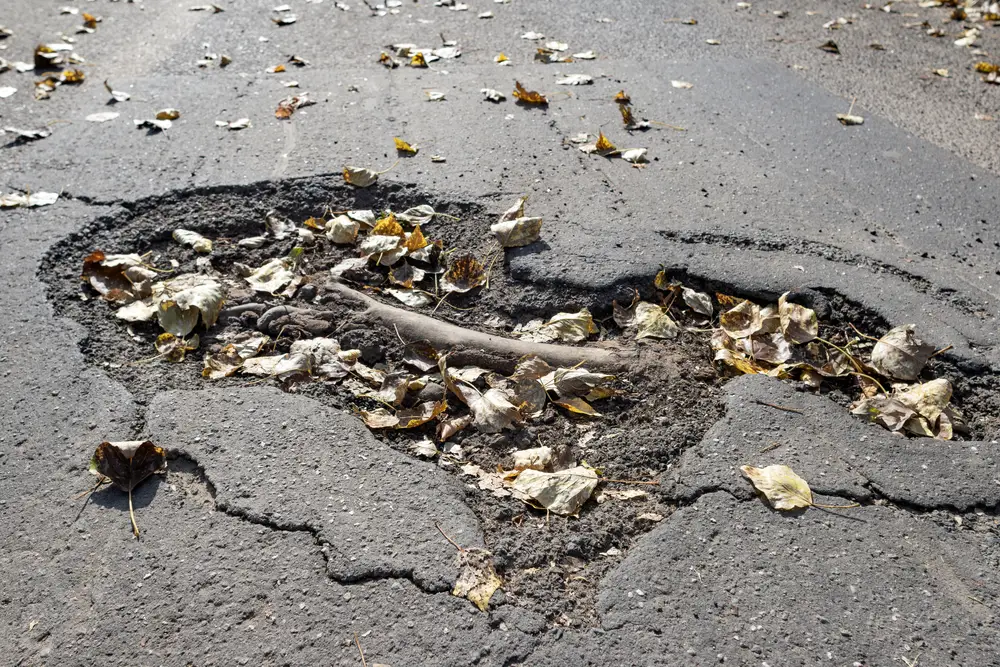
If you live in San Jose, you’ve probably seen it somewhere in your neighborhood: a beautiful, mature tree right next to a sidewalk or driveway that’s starting to crack or lift. Sometimes it’s a small trip hazard. Other times, it looks like the concrete is losing a slow-motion battle with the roots underneath.
It raises fair questions:
-
Are my tree roots going to damage my driveway or foundation, too?
-
Could they be affecting my plumbing or irrigation?
-
Do I really have to remove a tree to fix the problem, or are there other options?
The answers are rarely as simple as “the tree is bad.” Most of the time, it’s a combination of soil, water, construction, and root growth, all interacting over the years. With the right information and help from a qualified arborist or tree service company, you can protect both your property and your trees.
Why Roots and Concrete Collide So Often
In urban and suburban San Jose yards, trees and hardscape are usually squeezed into the same limited space. Sidewalks, driveways, patio slabs, and utility lines all occupy the same shallow soil zone where tree roots naturally want to grow.
Most roots aren’t plunging straight down; they’re spreading outward in the top foot or so of soil, where oxygen, water, and nutrients are easiest to find. When that layer is compacted from construction, covered by concrete, or frequently wet along pipes or gutters, roots will follow the paths of least resistance—often right up against slabs, foundations, and lines.
Add in our mix of clay-heavy soils in some neighborhoods, fill dirt from past grading work, and years of changing irrigation patterns, and it’s not surprising that roots and concrete end up pushing on each other over time.
Early Warning Signs in Your Driveway and Walkways
Concrete and pavers don’t usually fail overnight. The earliest changes are subtle, which makes them easy to ignore until they become a problem. Around trees, you may notice:
-
One corner or edge of a driveway panel sitting higher than the rest.
-
A sidewalk or path that feels uneven or “tippy” underfoot.
-
Hairline cracks near a tree that slowly widen or become offset.
-
Pavers that repeatedly lift, shift, or separate near the trunk or root flare.
On their own, these could be simple aging. But when they line up with root patterns or are concentrated around one or two trees, it’s a sign that shallow roots and hardscape are competing for space.
An arborist can look at the layout, root flare, and soil conditions to help you understand whether roots are involved, how serious the issue is, and what options you have before damage gets worse.
How Roots, Soil, and Water Affect Your Home’s Structure
Most San Jose homes sit on slab foundations. While a healthy tree root system isn’t likely to punch through a sound slab, it can still influence the soil and moisture around it in ways that matter.
Roots pull moisture from the soil. Irrigation, roof runoff, and drainage patterns add moisture back in, but not always evenly. Over time, that imbalance can cause certain areas of soil to settle, shrink, or stay more saturated than others. When that happens near a foundation, patio, or retaining wall, you may eventually see small cracks, slight shifts, or doors and windows that don’t close as smoothly as they used to.
This is especially true if:
-
The home was built on fill that compacts over time.
-
The grade directs water toward the house instead of away.
-
Trees were planted close to the slab or added later in tight spaces.
None of these changes happen overnight, which is why they’re easy to brush off as “just an old house.” But catching them early gives you more options for both tree care and structural protection.
The Plumbing Side of the Story
As big a role as concrete plays, plumbing can be just as important in the “roots vs. foundation” equation. Older San Jose homes often have aging sewer laterals with joints, seams, or small cracks. From a tree’s perspective, those spots are perfect: a steady source of moisture and nutrients in otherwise dry soil.
Fine roots can work their way into tiny openings, then expand and branch inside the pipe. Over time, that root mass can collect debris, slow flow, and eventually cause clogs or backups. You might suspect roots are involved if you’re dealing with:
-
The same drain or toilet clogging again and again.
-
Multiple fixtures backing up at once.
-
Persistent sewer odors outside or near cleanouts.
-
A suspiciously lush strip of lawn over your sewer line.
A plumber can show you what’s happening inside the pipe; a tree service company or arborist can help you understand which trees are contributing and whether root management, pipe replacement, or both are needed. The goal is to fix the line and adjust the surrounding tree health care so you’re not stuck in a cycle of temporary fixes.
Your Options Aren’t Just “Cut the Roots or Cut the Tree”
When people first notice damage near trees, it’s common to think in extremes: either slice off the roots or remove the tree completely. In reality, that kind of “all or nothing” approach can create more problems than it solves.
Major roots near the trunk are often structural. Remove too many of them, or cut one too close, and you can destabilize the tree or push it into decline. On the other hand, ignoring worsening hardscape or recurring plumbing issues isn’t a great plan either.
A good tree care plan looks for a middle ground, such as:
-
Targeted root pruning in carefully chosen areas, away from key structural roots.
-
Coordinating with concrete or paver contractors to redesign problem sections (for example, switching to a more flexible paver layout instead of a single large slab).
-
Installing correctly designed root barriers during new construction or repairs to guide future growth away from sensitive areas.
Sometimes, after a thorough tree risk assessment, the safest and most cost-effective choice really is tree removal and replanting with a more appropriate species or placement. The key is that the decision should be based on a complete understanding of the tree’s condition and the site, not just the concrete crack you see on the surface.
About Bay Area Tree Specialists
Bay Area Tree Specialists provides expert tree service throughout San Jose and the surrounding communities, combining ISA-certified arborist knowledge with practical solutions for real-world properties. Their team focuses on keeping trees healthy and safe while protecting driveways, foundations, utilities, and the people who live around them. From root evaluations and tree risk assessment to pruning, removals, and long-term tree health care plans, Bay Area Tree Specialists can help.