
Certified Arborist in Bay Area San Jose
When most people look at a tree, they see shade, beauty, privacy, and property value. What often goes unnoticed is the expertise, training, judgment, and real-world experience required to properly care for that tree throughout its life.
That’s why choosing a qualified tree care professional matters.
At Bay Area Tree Specialists, our approach to tree care is rooted in science, experience, safety, and informed decision-making. With more than 30 years of hands-on industry experience, our team brings advanced knowledge and respected professional credentials to every project, including International Society of Arboriculture (ISA) Certified Arborist certification, Tree Risk Assessment Qualification (TRAQ), and Certified Tree care Safety Professional (CTSP) designation.
These certifications represent far more than professional titles. They reflect years of education, rigorous testing, ongoing training, and field experience, along with a commitment to delivering responsible, informed recommendations for every client. They also shape how we train our team, ensuring our staff provides expert-level care based on proven arboricultural standards.
What It Means To Be An ISA Certified Arborist
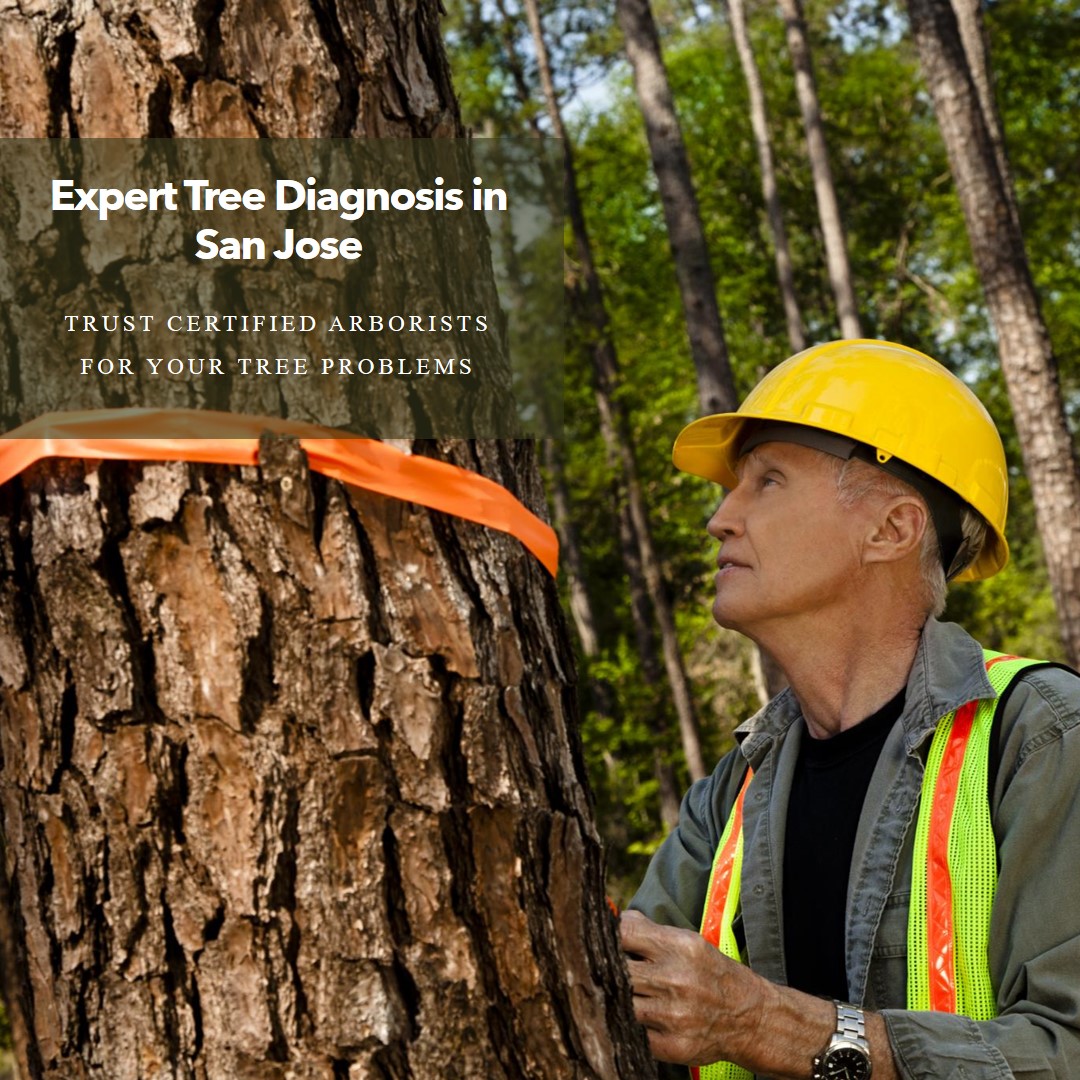
Becoming an ISA Certified Arborist requires significant dedication, practical experience, and professional development.
Candidates must meet strict eligibility requirements based on education and real-world arboricultural experience before even qualifying for the certification exam. Then comes the testing itself, which covers a wide range of subjects, including tree biology, diagnosis, soil management, pruning, tree identification, installation, risk assessment, and safety.
Passing the exam demonstrates that an arborist has a strong working knowledge of proper tree care principles, but it does not stop there.
To maintain certification, arborists must consistently earn Continuing Education Units (CEUs), ensuring they stay current on evolving research, industry standards, and best practices.
For clients, this ongoing education means our arborists are not relying on outdated methods or guesswork, but instead applying modern, science-based strategies for tree health and safety.
Why Credentials and Experience Matters
While certifications are essential, true expertise comes from combining formal education with decades of practical fieldwork.
Trees do not grow in textbooks. They grow in changing weather conditions, compacted soils, drought-stressed landscapes, urban environments, construction zones, irrigated lawns, and natural settings where every site presents different challenges.
After 30 years in the industry, we can say with confidence that the best tree care recommendations come from a combination of:
-
Professional training
-
Industry certification
-
Continuing education
-
Hands-on field experience
-
Careful observation
-
Sound judgement
-
And knowing the Bay Area well
That combination is what allows our team of arborists to evaluate not just what a tree looks like today, but what it is likely to need over time.
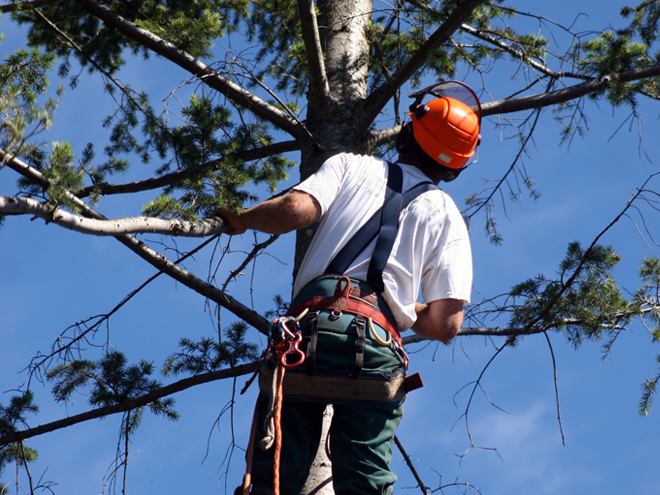
Tree Risk Assessment and the Importance of Proper Evaluation
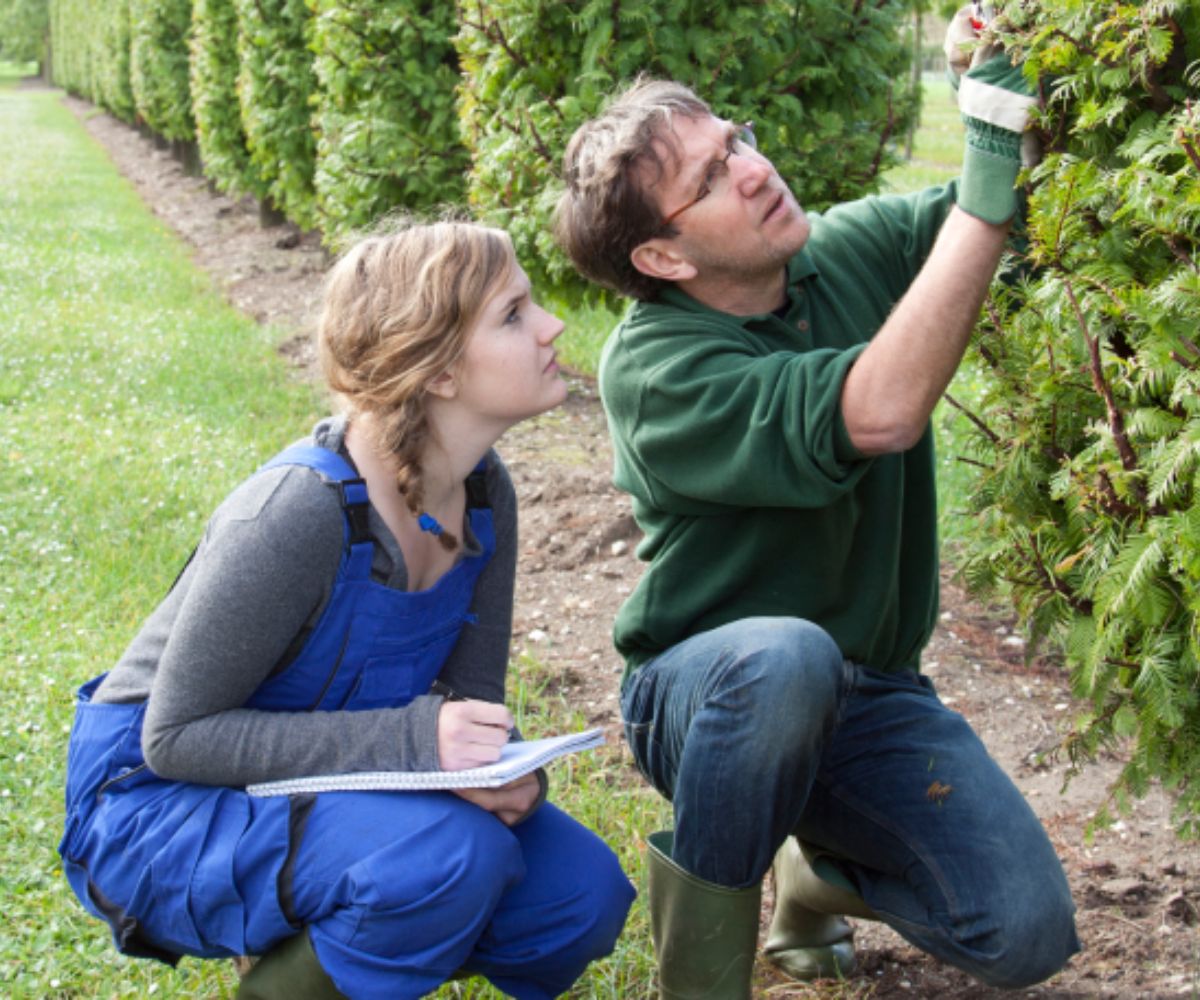
In addition to being an ISA Certified Arborist, we also hold the Tree Risk Assessment Qualification (TRAQ) which is important when evaluating trees for structural concerns, potential failure, site targets, and overall risk.
Not every tree with a defect is dangerous, and not every tree that looks healthy is structurally sound. Proper risk assessment requires specialized training and systematic evaluation, not assumptions.
As TRAQ-qualified professionals, we assess trees with a focus on structure, defects, site conditions, occupancy, and likelihood of failure. This helps clients make informed decisions about whether a tree can be preserved, reduced, monitored, or removed.
That level of evaluation is especially valuable when dealing with large trees near homes, roads, structures, driveways, pedestrian areas, or commercial properties.
One of the most valuable services a trained arborist provides is accurate diagnosis.
Not all tree problems are caused by insects or disease.
Some issues are biotic, meaning they are caused by living organisms such as fungi, bacteria, or insect pests. Other issues are abiotic, meaning they are caused by nonliving stress factors such as soil compaction, drought, irrigation problems, heat, root damage, poor planting depth, or environmental conditions.
This distinction is critical.
A tree may show decline symptoms, leaf discoloration, dieback, or poor vigor, but unless the underlying cause is correctly identified, treatment may be ineffective or completely misdirected.
A tree stressed by poor drainage or root damage will not improve simply because it is fertilized. Likewise, a tree with a pathogenic issue may require a very different treatment plan than one suffering from environmental stress.
Proper diagnosis requires professional education, field experience, and thorough site evaluation.
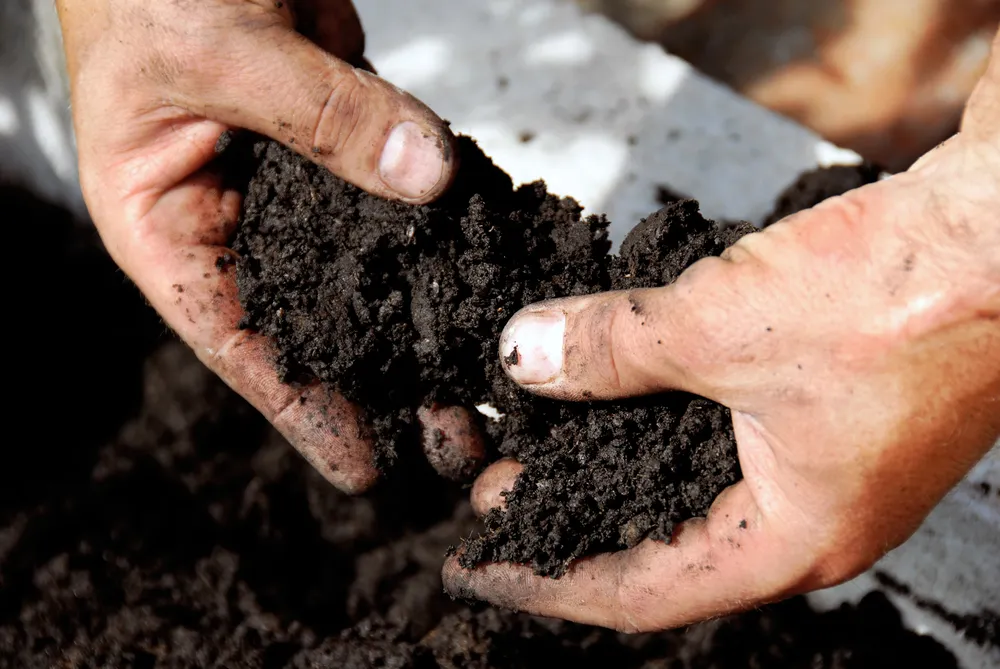
Once the issue is properly identified, the next step is creating an appropriate treatment plan.
Depending on the diagnosis, this may involve pruning, fertilization, root zone improvement, mulch correction, irrigation changes, pest or disease treatment, monitoring, structural support, or, in some cases, removal if the tree presents unacceptable risk or irreversible decline.
The key is this: the right treatment starts with the right diagnosis.
At Bay Area Tree Specialists, we believe clients deserve science-based, species-specific recommendations grounded in professional arboricultural expertise, not guesswork. Our approach prioritizes long-term tree health, safety, and responsible management.
Our work extends beyond simply performing tree services, we focus on providing the right recommendations based on each property’s unique needs.
That means evaluating:
-
Tree species
-
Seasonal timing
-
Soil health
-
Root zones
-
Structural condition
-
Property goals
-
Environmental factors
Whether a tree needs pruning, treatment, support systems, or removal, our recommendations are based on preserving tree health whenever possible while prioritizing safety.
Tree work is one of the most hazardous professions in the skilled trades. At Bay Area Tree Specialists, safety is not treated as an afterthought. It is a core part of how we operate, how we train our team, and how we protect our employees, our clients, and their property.
Our Certified Treecare Safety Professional (CTSP) credential reflects our commitment to safety leadership, safety systems, crew training, and hazard awareness.
When a tree care company prioritizes credentials in arboriculture, tree risk assessment, and safety, clients benefit from a much higher level of professionalism and accountability.
iring a certified arborist is about much more than hiring someone to trim or remove a tree. It is about choosing a professional who understands tree biology, species-specific care, risk evaluation, safety, diagnostics, soil health, proper pruning, and long-term tree preservation.
At the end of the day, our clients are trusting us with valuable living assets on their properties. Trees contribute beauty, shade, environmental benefits, property value, and character to a landscape. They also require informed care.
At Bay Area Tree Specialists, we take that responsibility seriously by applying decades of experience, advanced certifications, and continuous staff training to every service we provide.
When you work with Bay Area Tree Specialists, you are working with a company who has:
- 30 years of industry experience
-
More than 18 years as ISA Certified Arborists
-
Tree Risk Assessment Qualifications
-
Certified Tree care Safety Professional credentials
-
Hands-on experience diagnosing, pruning, assessing, and treating trees
-
A strong commitment to staff development and client education
-
And a love for the Bay Area we serve
That is what professional tree care should look like. Contact us today to get started.