
Emergency Tree Removal Service In San Jose
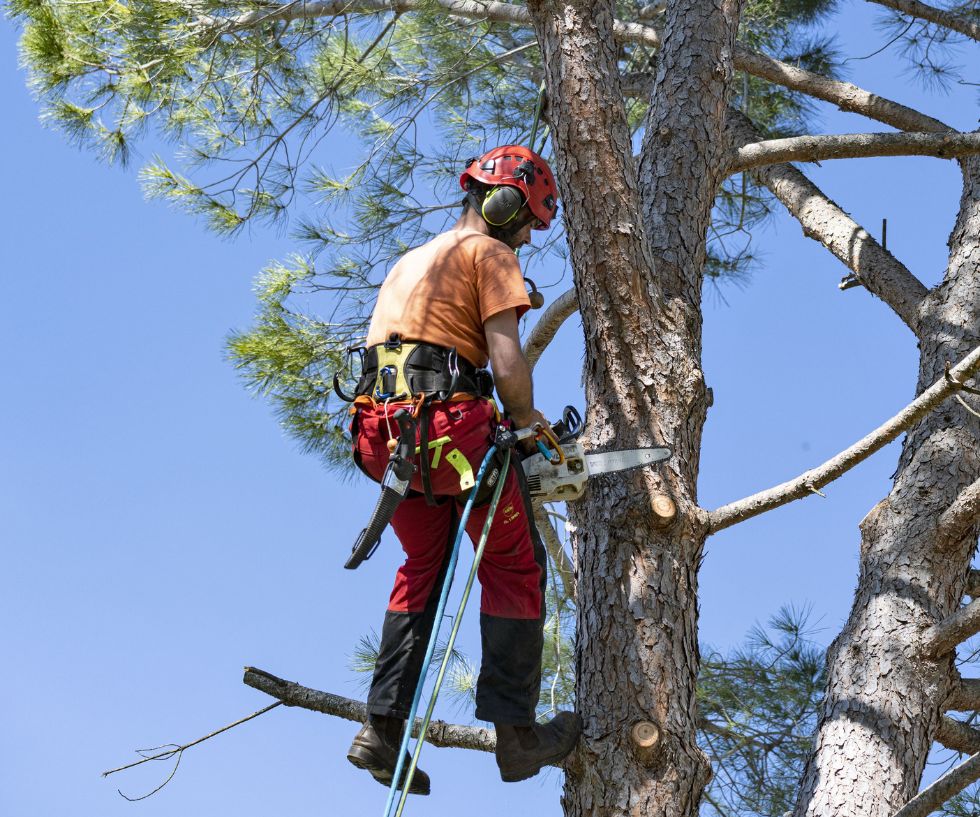
Tree removal is often necessary when trees have become overcrowded, are damaged or diseased, or are too close to power lines or structures. Additionally, many emergency situations are caused by storms. During or after a severe storm, there is the possibility that area uprooted trees or broken limbs can cause great damage and pose serious threat. Damaged trees and limbs can come into contact with local power lines, fall on your home, across your property or even cause someone to get hurt. That is when it becomes necessary to call in a qualified specialist for tree removal. The professionals at Bay Area Tree Specialists offer emergency tree service and emergency tree removal in San Jose and surrounding areas, when and where you need it. We understand that, in an emergency situation, time is of the essence for the safety and well-being of your home and family.
Our Professional Emergency Services Include:
- Emergency service around the clock
- Immediate storm and disaster response
- Full written, photographic and video assessment of damage
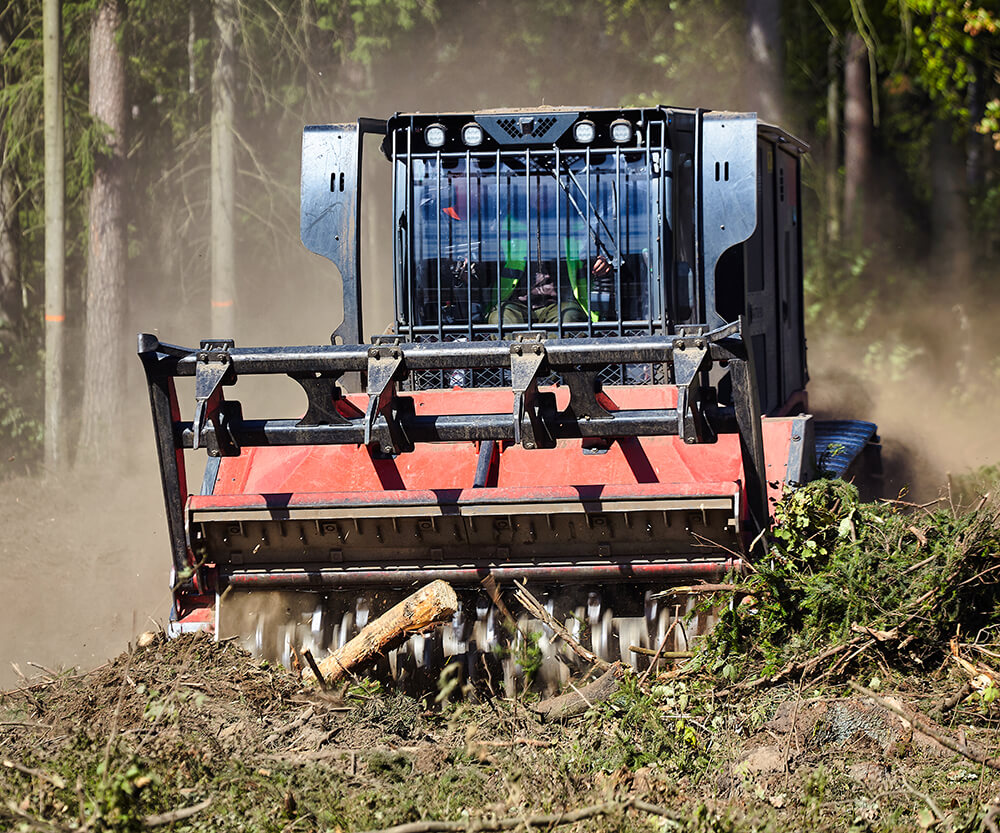
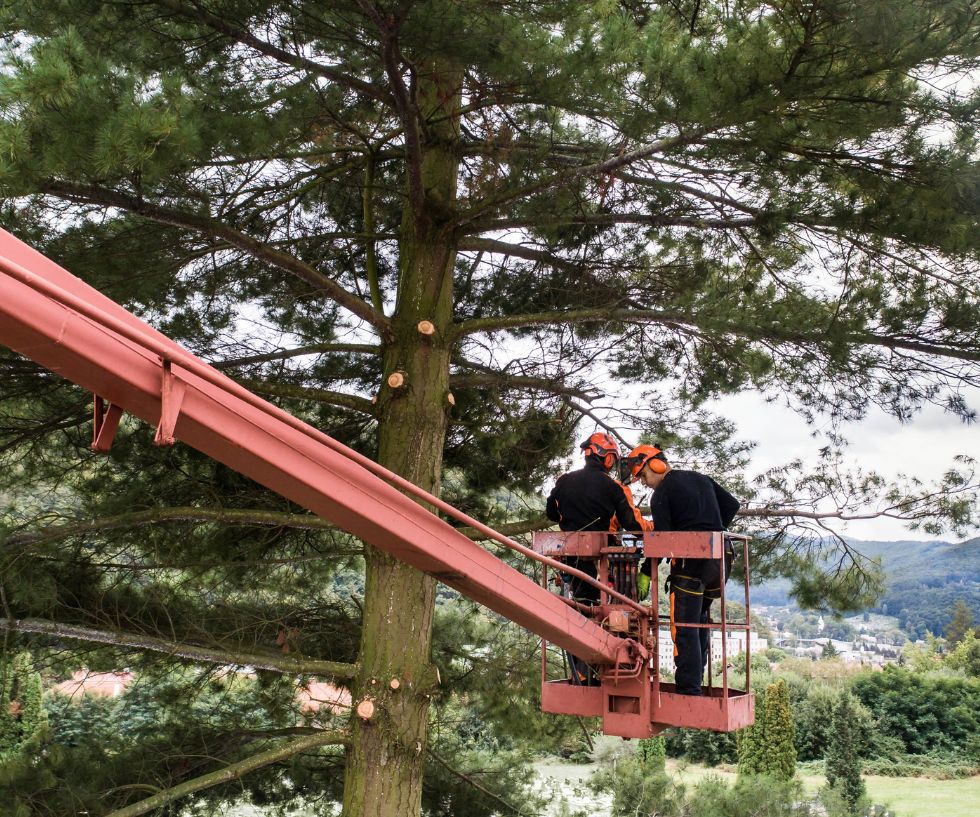
- State of the art equipment and machinery including cranes, bucket trucks and operators for proper removal of damaged trees, limbs and debris
- Trim, cable or brace loose or broken limbs as necessary
- International Society of Arborists member
- Full understanding of insurance companies’ rules and procedures that affect emergency tree removal, including knowledge of standard and reasonable costs and what constitutes covered damage
- Claim support
- Provide protection of damaged home structure with tarps and protective materials
- Assistance with cleanup and debris removal and hauling
- Ability to recycle damaged trees and limbs into mulch
- Reasonable pricing
Safety
We suggest our customers take a preventative approach with their existing trees and call us to assess their property for unsafe limbs and trees. These may pose a potential threat in a storm situation and may create a safety hazard. Although tree removal should be a last resort, in the case of dead or diseased trees, it is sometimes the only solution. Proper mitigation of dead and diseased trees can be further prevention so they don’t become emergencies after or during a storm.
Experience
How Our Emergency Tree Service Works
When an emergency call comes in, our process begins immediately. Every call is answered 24/7 and routed directly to our team so we can quickly assess the situation, identify potential risks, and confirm a clear response time. From the start, we set transparent expectations about what needs to be done, how we will approach it, and the timeline for completion. Our crew and equipment are rapidly mobilized to the site, where we carry out safe, efficient tree removal according to strict professional safety standards. Once the work is complete, we perform a full cleanup and haul-away, ensuring the property is left clear and secure. Every emergency job is completed within the timeline we commit to because in urgent situations, reliability and professionalism matter just as much as speed.
Contact Us Today
When you require emergency tree removal or tree mitigation in San Jose or surrounding areas, trust the professionals at Bay Area Tree Specialists. We will offer an efficient plan to remedy damage and ensure that your property and family are safe and protected. Let the professionals at Bay Area Tree Specialists provide peace of mind for your emergency tree service needs.
Be sure to call our 24 hour emergency service at (408) 836-9147
Frequently Asked Questions
Do you offer emergency tree services?
Yes. Bay Area Tree Specialists provides 24-hour emergency tree services, We employ a 24/7 answering service to be available to all emergencies. We typically respond and are on site within 1–1.5 hours, to address storm damage, fallen trees, and imminent hazards.
Can you perform emergency tree removal after storms or accidents?
Yes. We offer 24/7 emergency tree service and can typically respond within 1–2 hours depending on location, access, and severity.
How does Bay Area Tree Specialists assess whether a tree is hazardous?
We perform formal Tree Risk Assessments following ISA protocols. Our evaluations consider tree structure, decay, defects, soil conditions, site usage, and target exposure. As TRAQ-qualified Arborists, our assessments are objective, defensible, and suitable for risk management and documentation purposes.
How do you determine whether a tree should be removed or retained?
Tree removal is considered only when risk cannot be reasonably mitigated. We evaluate tree health, structural integrity, site constraints, usage levels, and long-term management goals before recommending removal.
How do you determine if a tree needs to be removed?
- The tree is dead/dying or structurally unstable
- There is severe decay, root failure, or major defects
- The tree is causing unavoidable damage or conflicts
- The risk level is unacceptable even with pruning/mitigation
- The tree is unsafe due to location, lean, or previous failure history
Do you remove large or difficult-to-access trees?
- Large trees near homes/structures
- Tight access backyards
- Steep slopes and challenging terrain
- Technical rigging and crane removals when appropriate
Can you grind or remove stumps after tree removal?
Do you handle the permits required for tree removals?
- Identify likely permit triggers
- Provide documentation/arborist input when required
- Coordinate with the property owner/manager on the submittal process
What equipment do you use for safe tree removal?
- Professional climbing and rigging systems
- Cranes for controlled removal of heavy sections
- Bucket trucks where access allows
- Chippers, chip trucks, log loaders, and hauling equipment
- Specialized machinery for large-scale or technical jobs
What is the process for removing a tree? (Step-by-step)
- 1) Site evaluation: access, hazards, targets, and tree condition
- 2) Confirm scope and permits (if required by the city/HOA)
- 3) Set up safety zone: signage, barriers, traffic/pedestrian control
- 4) Choose removal method: climb/rig, bucket, crane, or combination
- 5) Controlled dismantling: remove limbs and sections safely
- 6) Lower material carefully to protect structures and landscaping
- 7) Debris management: chip brush, haul logs/wood
- 8) Optional stump grinding
- 9) Final cleanup: leave the site neat and safe
Are there any city rules that we need to keep in mind?
- Street trees and right-of-way trees
- Protected species or minimum size thresholds
- Required permits for removal or major pruning
- Replacement planting requirements in some jurisdictions
What are the techniques used to remove a tree?
- Sectional dismantling (piece-by-piece removal)
- Rigging and negative rigging when required
- Crane-assisted removals for high-risk trees or tight targets
- Directional felling only when safe and appropriate
- Strict jobsite safety protocols and daily hazard review