
Professional Tree Pruning
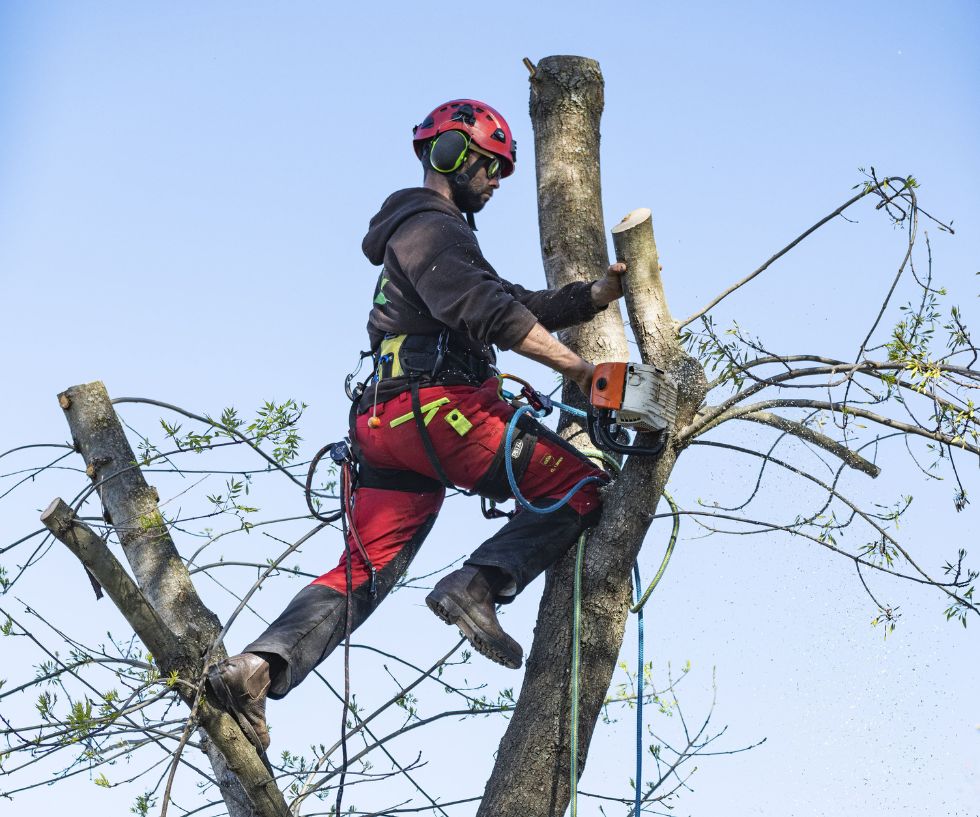
When completed by professional tree specialists, pruning can help enhance the natural beauty of trees and shrubs while at the same time preserve the strength, stature, and character they add to the landscape.
Benefits of tree pruning
Health
Safety
Structural integrity and aesthetics
On the other hand, when a tree is mature, strategic pruning can help maintain its appearance even when its characteristic form has somewhat deteriorated.
If you need tree services such as tree pruning, crown reduction, tree installation, stump removal and others, contact the Bay Area Tree Specialists and receive a free quote for your next property management project. Our tree care services are available in Santa Clara, Monte Vista, Permanente, San Jose, Palo Alto and other areas in California. To receive more information, or to schedule an appointment,visit our Contact Us page and fill out the form, or call us TODAY.
Frequently Asked Questions
Do you follow industry pruning and safety standards?
Yes. All pruning and tree work is performed in accordance with ANSI A300 pruning standards and ANSI Z133 safety standards, the recognized benchmarks for professional arboriculture and worker safety.
Can proper pruning reduce liability and risk?
Absolutely. Proper pruning reduces the likelihood of branch or tree failure, improves structural integrity, and enhances clearance over walkways, roads, and structures. Improper pruning increases risk and can shorten a tree’s lifespan. Improper pruning also causes more frequent pruning due to epicormic growths, usually from topping or heading cuts made by untrained persons in trees.
Do you perform structural pruning to prevent future damage?
What equipment do you bring to trim trees?
- Climbing systems and professional rigging equipment
- Bucket trucks (multiple heights, including large-reach units)
- Cranes when needed for high-risk or heavy rigging situations
- Chippers, chip trucks, and hauling equipment
- Specialized equipment for tight access or large-scale work
How long does a tree trimming take?
- Tree height/spread and pruning goals
- Access (backyard vs. street-side vs. slope)
- Nearby targets (homes, power lines, landscaping)
- Cleanup/disposal requirements
Do you remove dead or hazardous branches to improve safety?
Yes. We remove deadwood and hazardous limbs as part of safety-focused pruning. This reduces risk to people, vehicles, and structures.
What is the process to pruning a tree? (Step-by-step)
- 1) Evaluate the tree: species, structure, health, and targets below
- 2) Confirm goals: clearance, risk reduction, aesthetics, health, or code compliance
- 3) Identify priority cuts: deadwood, defects, weight reduction, clearance needs
- 4) Set up the work zone: safety cones/signage, drop zones, traffic/pedestrian control
- 5) Prune using best practices: proper cut placement, balanced canopy, minimal stress
- 6) Rig and lower material safely (when needed) to protect property
- 7) Final quality check: structure, clearance, and overall canopy balance
- 8) Full cleanup: chip/haul debris and leave the site clean
What does a regular tree pruning typically include?
- Crown cleaning (dead, dying, diseased, broken limbs)
- Crown thinning (selective reduction for airflow/light—when appropriate)
- Crown raising (clearance over walkways/driveways/structures)
- Structural pruning (improves form and reduces future failure risk)
- Selective reduction (weight reduction on long/heavy limbs when needed)
Are there any city rules that we need to keep in mind?
- Protected tree ordinances (species, size/DBH thresholds)
- Permit requirements for removals or major pruning
- Street tree regulations (public right-of-way)
- Heritage/protected tree designation rules
What are the techniques used?
- Target pruning (removing specific risks/defects)
- Structural pruning for long-term stability
- Selective reduction to reduce end-weight and leverage
- Proper cut placement to support healing and tree health
- Rigging and controlled lowering to prevent property damage
- ANSI A300 pruning principles and safety practices consistent with Z133