
Tree Removal Palo Alto
Knowing When It’s Time to Have a Tree Removed
Whether they are planted on your business or home property, we love having trees as part of the landscape. Without a doubt, they are an asset, and an investment in your property’s value. Unfortunately, they can also become liabilities if they are not attended to on a regular basis, and cared for properly. Then there are those occasions when a damaged, dead, or diseased tree poses a threat to your structure and the people inside of it. From the standpoint of personal and structural safety, now is the time to consider hiring a service for tree removal in Palo Alto, before any damage or injuries occur.
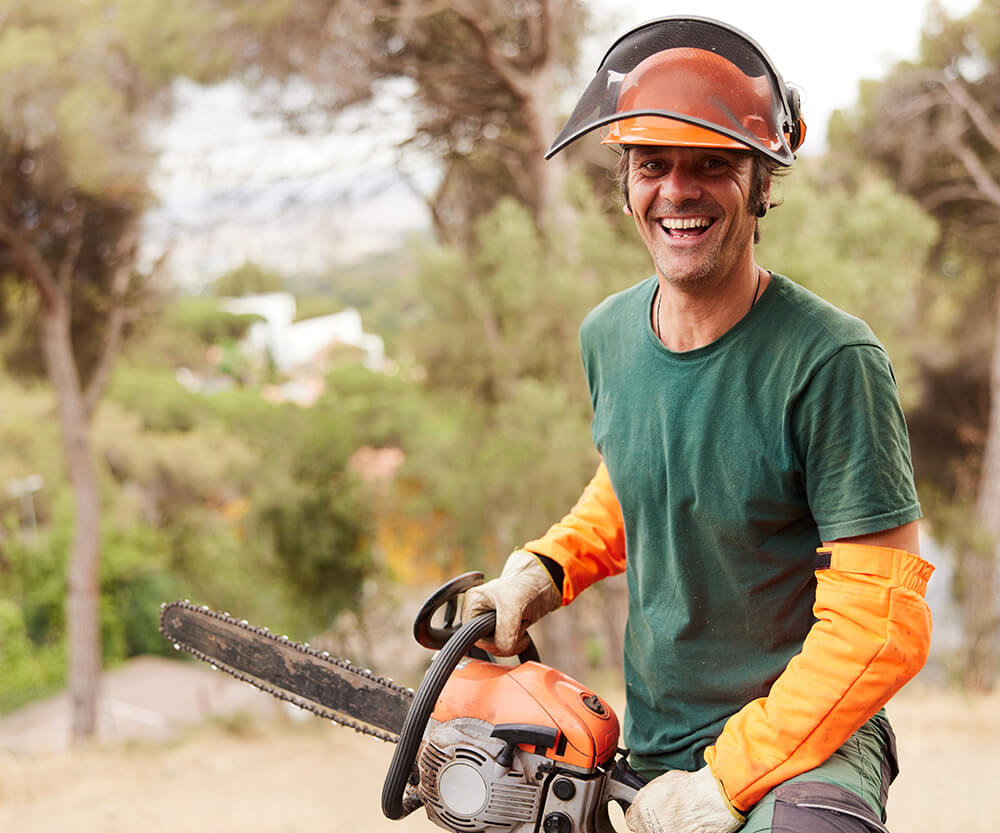
Close proximity/overgrowth – Despite the distance from the home that a tree is planted; it’s going to continue growing, and possibly pose a threat to the structure and/or anyone who is inside. As the tree grows, so do its roots until they have grown under driveways and foundations. Over time, this can cause a shifting in the floor and may even make your home unstable.
Examine the tree’s branches – Branches that are dead and hanging can cause thousands of dollars in roof repairs if high winds cause them to fall. If a tree is growing in such a way as to detract from its aesthetics, then you should consider pruning and shaping it. This will give it a healthier, newer appearance, and strengthen it in the process.
Check the bark, branches, and leaves – Certain diseases will cause structural issues and compromise a tree’s integrity, thereby making it necessary to cut it down and remove it. A licensed arborist, or tree removal in Palo Alto professional from Bay Area Tree Specialists, can evaluate how badly a disease has hurt the tree. Signs of diseases include: branches dying off, discolored leaves, and the lack of veins in them, fungus growing on the branches or trunk, and odd looking bumps on the tree’s bark.
Watch for defects – If there are certain noticeable defects that become apparent, these can compromise the integrity of the tree and eventually lead to it falling down. Keep in mind that, even if you have insurance, many policies will not cover damage resulting from acts of nature. The best way to avoid absorbing that type of loss is by having it inspected by a tree removal in Palo Alto specialist, for damage and defects. If there are overhanging branches or overgrowth, we recommend tree pruning immediately.
Professional Tree Service Required
4 Simple Guidelines that Indicate the Need for Tree Removal
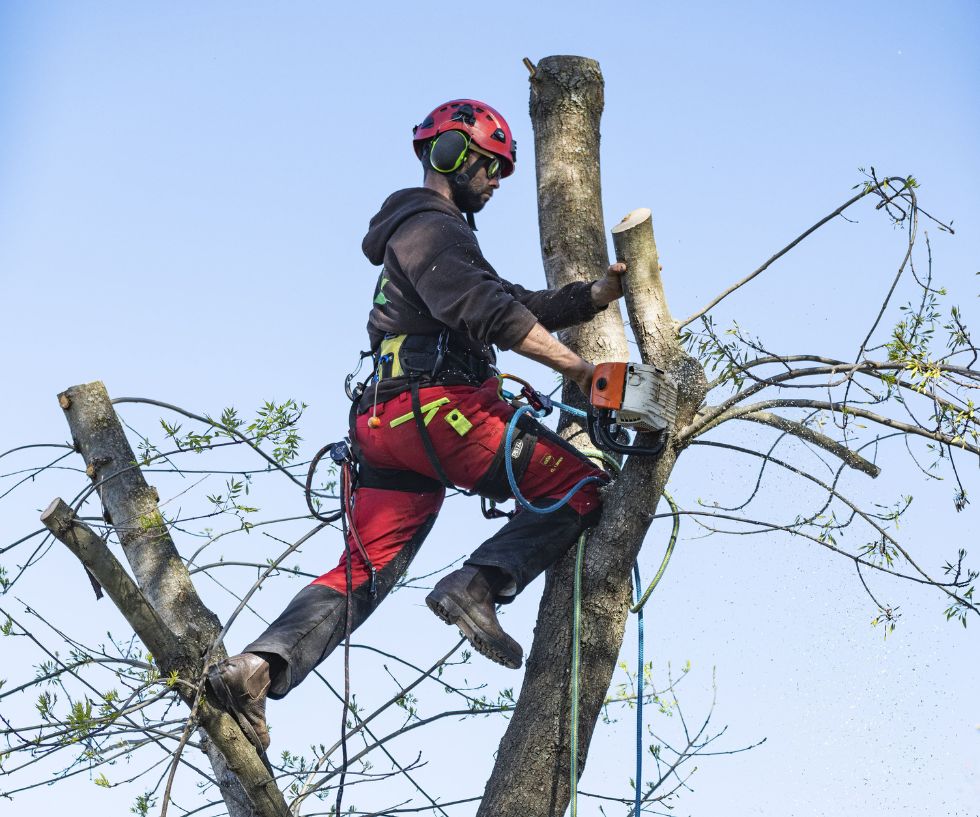
Bay Area Tree Specialists is the premier tree removal service in the area. We are insured, licensed and only employ the most experienced tree removal and maintenance staff. With professional arborists on board, you can call us as needed. With years in business, we understand the how’s and why’s of tree removal, and own our own equipment for safe removals. It is important to check the growth and overgrowing trees on your property. In addition to tree removal, we offer tree trimming and pruning services on a one time or regular basis, as scheduled.
We want to ensure that your home and family members will not be threatened by trees on your property. Please call us and schedule a tree inspection and assessment appointment today.
Frequently Asked Questions
How does Bay Area Tree Specialists assess whether a tree is hazardous?
We perform formal Tree Risk Assessments following ISA protocols. Our evaluations consider tree structure, decay, defects, soil conditions, site usage, and target exposure. As TRAQ-qualified Arborists, our assessments are objective, defensible, and suitable for risk management and documentation purposes.
How do you determine whether a tree should be removed or retained?
Tree removal is considered only when risk cannot be reasonably mitigated. We evaluate tree health, structural integrity, site constraints, usage levels, and long-term management goals before recommending removal.
How do you determine if a tree needs to be removed?
- The tree is dead/dying or structurally unstable
- There is severe decay, root failure, or major defects
- The tree is causing unavoidable damage or conflicts
- The risk level is unacceptable even with pruning/mitigation
- The tree is unsafe due to location, lean, or previous failure history
Do you remove large or difficult-to-access trees?
- Large trees near homes/structures
- Tight access backyards
- Steep slopes and challenging terrain
- Technical rigging and crane removals when appropriate
Can you grind or remove stumps after tree removal?
Do you handle the permits required for tree removals?
- Identify likely permit triggers
- Provide documentation/arborist input when required
- Coordinate with the property owner/manager on the submittal process
What equipment do you use for safe tree removal?
- Professional climbing and rigging systems
- Cranes for controlled removal of heavy sections
- Bucket trucks where access allows
- Chippers, chip trucks, log loaders, and hauling equipment
- Specialized machinery for large-scale or technical jobs
What is the process for removing a tree? (Step-by-step)
- 1) Site evaluation: access, hazards, targets, and tree condition
- 2) Confirm scope and permits (if required by the city/HOA)
- 3) Set up safety zone: signage, barriers, traffic/pedestrian control
- 4) Choose removal method: climb/rig, bucket, crane, or combination
- 5) Controlled dismantling: remove limbs and sections safely
- 6) Lower material carefully to protect structures and landscaping
- 7) Debris management: chip brush, haul logs/wood
- 8) Optional stump grinding
- 9) Final cleanup: leave the site neat and safe
Are there any city rules that we need to keep in mind?
- Street trees and right-of-way trees
- Protected species or minimum size thresholds
- Required permits for removal or major pruning
- Replacement planting requirements in some jurisdictions
What are the techniques used to remove a tree?
- Sectional dismantling (piece-by-piece removal)
- Rigging and negative rigging when required
- Crane-assisted removals for high-risk trees or tight targets
- Directional felling only when safe and appropriate
- Strict jobsite safety protocols and daily hazard review