
Tree Removal San Jose
Reasons For Removing Trees And The Factors That Influence The Cost
Trees are a naturally beautiful addition to any property, whether it’s commercial or residential. Some grow fruit, some don’t. Children enjoy climbing them or swinging on a tire that is roped to a sturdy branch. Most importantly, trees produce oxygen, and provide cooling shade during the hot months of summer. Unfortunately, some succumb to disease and die. When that happens, we recommend hiring the tree removal specialists in San Jose, to eliminate the potential safety hazard that this presents.
One of the more common questions that people ask the Bay Area Tree Specialists about tree removal service in San Jose is, “How much will it cost?” Usually, when we need to remove a tree or trees, we will assess the situation initially. As well, we assess the tree’s ailments and other circumstances surrounding it. In some cases, the removal of a tree is routine, while in others it is a more complex operation, requiring additional precautions and extra work.
Safety is always the primary concern when removing trees. However, there are three (3) factors that will influence the cost of any tree removal procedure, including:
Health – If a tree is dead, diseased or dying, extra precautions must be taken to ensure a safe removal. Trees in these conditions pose a considerable safety risk, because cutting it down and removing it can be quite unpredictable. More man power, planning, and preparation are required in these circumstances.
Location – The degree of difficulty involved in removing a tree is oftentimes determined by its location on the property. For instance, trees located near obstacles such as power lines result in increased labor costs. Additionally, more effort and time is needed to remove trees that are located adjacent to a busy road or neighboring property.
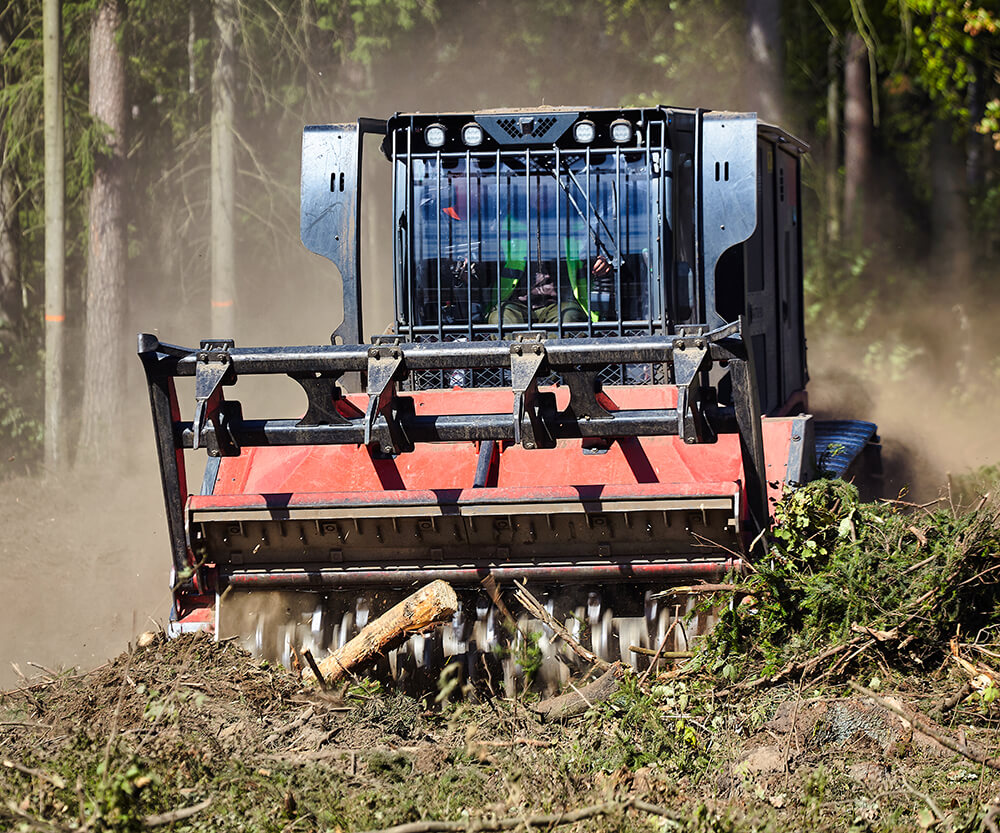
Size – Larger trees require additional machinery, man power, and time to remove them. Since there is more overhead involved in the removal of larger trees, this typically equates to a higher cost.
If you are concerned about any of the trees on your commercial or residential property, and would like more information regarding our tree removal service in San Jose, please contact the Bay Area Tree Specialists today and speak with a company representative.
Why Hire A Professional Arborist
In most cases, Bay Area Tree Specialists are called out to remove trees for one of the following reasons:
Diseased and/or dying – There are a number of reasons why a tree may be dying such as decay, disease, or insect infestations. The problem with diseased or infested trees is that these issues can easily be passed onto other foliage and plants on your property. So it is best to remove the tree as soon as possible. While there are some problems that Bay Area Tree Specialists can fix, there may be other issues where a tree will have to be removed.
Impeding construction projects – There are occasions when tree removal is required so as not to impede a construction project. If left intact, the trees could get damaged by the equipment used in the construction, and eventually die. Sometimes, projects can be planned so as not to damage or disturb the trees. However, if a tree is in the way, then removal is the only option.
Maintenance problems – Homeowners oftentimes find that some trees get too big and provide too much shade, which causes other plants to die. When this happens, you have to decide between removing the plants or the tree. In some cases, we can trim off enough branches to save them both, while in other cases, our tree removal specialists in San Jose will need to remove the tree.
Storm damage – Trees can be seriously damaged during periods of strong winds. They lose branches and leaves, while in the more severe cases of damage, their trunks crack. When the damage is so severe that there is little hope of saving the tree, the only option is to have it removed.
Structural liabilities – One of the primary concerns with diseased and/or dying trees is that they can damage structures that are in close proximity to them. If branches break off, or the tree slants excessively, this can easily damage any nearby structures. If there are concerns about the tree posing a liability risk, it should be removed quickly in order to protect the homes, and people nearby.
Frequently Asked Questions
How does Bay Area Tree Specialists assess whether a tree is hazardous?
We perform formal Tree Risk Assessments following ISA protocols. Our evaluations consider tree structure, decay, defects, soil conditions, site usage, and target exposure. As TRAQ-qualified Arborists, our assessments are objective, defensible, and suitable for risk management and documentation purposes.
How do you determine whether a tree should be removed or retained?
Tree removal is considered only when risk cannot be reasonably mitigated. We evaluate tree health, structural integrity, site constraints, usage levels, and long-term management goals before recommending removal.
How do you determine if a tree needs to be removed?
- The tree is dead/dying or structurally unstable
- There is severe decay, root failure, or major defects
- The tree is causing unavoidable damage or conflicts
- The risk level is unacceptable even with pruning/mitigation
- The tree is unsafe due to location, lean, or previous failure history
Do you remove large or difficult-to-access trees?
- Large trees near homes/structures
- Tight access backyards
- Steep slopes and challenging terrain
- Technical rigging and crane removals when appropriate
Can you grind or remove stumps after tree removal?
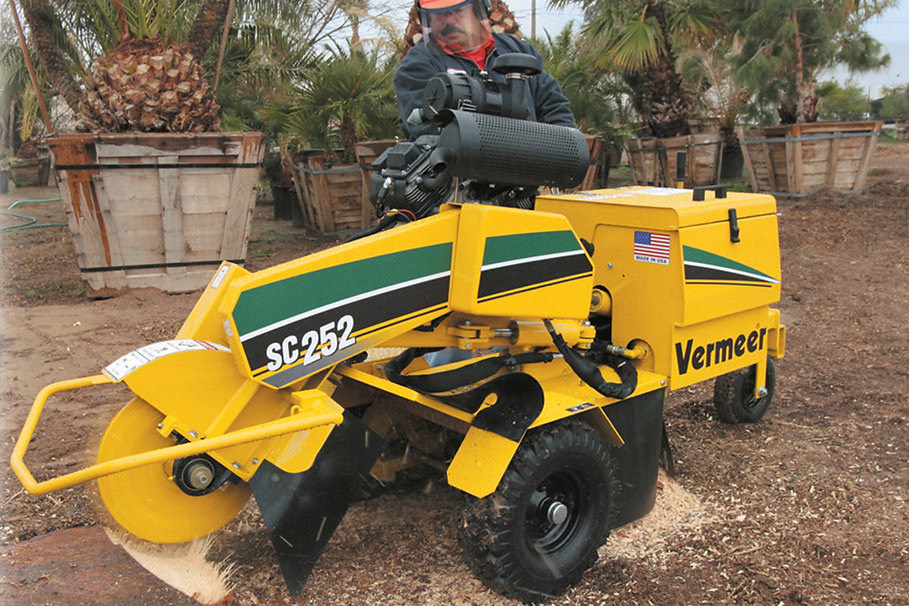
Yes. We offer stump grinding and can discuss depth, restoration goals, and whether you plan to replant or hardscape.
Do you handle the permits required for tree removals?
- Identify likely permit triggers
- Provide documentation/arborist input when required
- Coordinate with the property owner/manager on the submittal process
What equipment do you use for safe tree removal?
- Professional climbing and rigging systems
- Cranes for controlled removal of heavy sections
- Bucket trucks where access allows
- Chippers, chip trucks, log loaders, and hauling equipment
- Specialized machinery for large-scale or technical jobs
What is the process for removing a tree? (Step-by-step)
- 1) Site evaluation: access, hazards, targets, and tree condition
- 2) Confirm scope and permits (if required by the city/HOA)
- 3) Set up safety zone: signage, barriers, traffic/pedestrian control
- 4) Choose removal method: climb/rig, bucket, crane, or combination
- 5) Controlled dismantling: remove limbs and sections safely
- 6) Lower material carefully to protect structures and landscaping
- 7) Debris management: chip brush, haul logs/wood
- 8) Optional stump grinding
- 9) Final cleanup: leave the site neat and safe
Are there any city rules that we need to keep in mind?
- Street trees and right-of-way trees
- Protected species or minimum size thresholds
- Required permits for removal or major pruning
- Replacement planting requirements in some jurisdictions
What are the techniques used to remove a tree?
- Sectional dismantling (piece-by-piece removal)
- Rigging and negative rigging when required
- Crane-assisted removals for high-risk trees or tight targets
- Directional felling only when safe and appropriate
- Strict jobsite safety protocols and daily hazard review