
Rethinking Tree Care in San Jose
Arborists in San Jose, CA, Share Tree Care Advice All Homeowners Should Know.
Myths, Mistakes, and Smarter Strategies for Tree Care
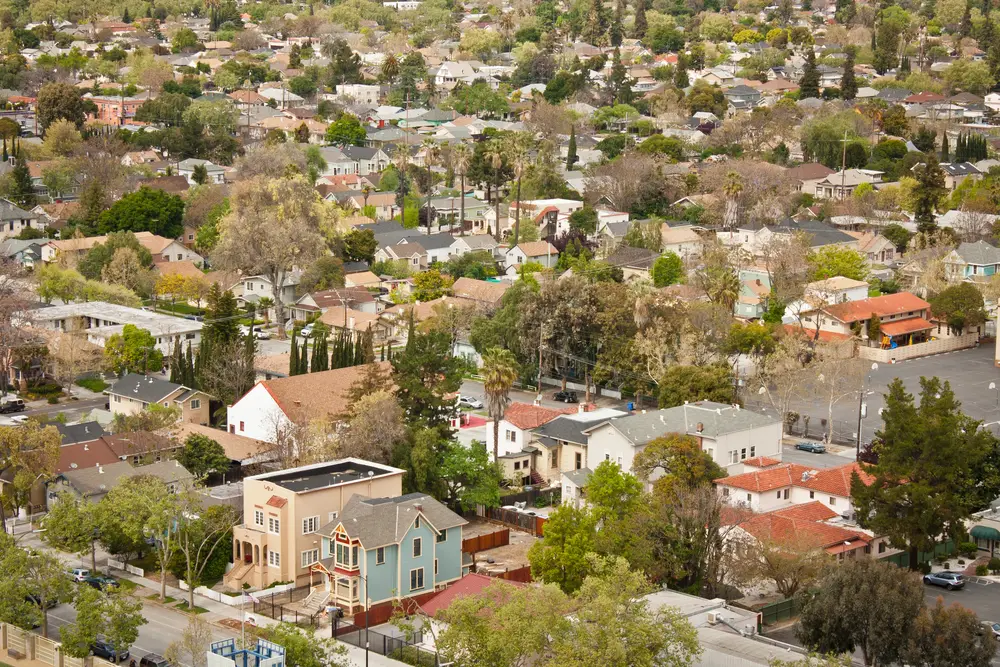
San Jose’s trees work hard. They soften busy streets, shade patios in summer, buffer traffic noise, and add real value to homes and neighborhoods. But between drought restrictions, heat, compacted soil, and constant development, even well-established trees here are under more stress than most people realize.
On top of that, there’s a lot of casual advice about tree care that sounds right but quietly harms trees or turns them into hazards over time. This guide takes a closer look at some of those myths, why they’re risky, and how to build a more intentional approach to planting, caring for, and maintaining trees on your property.
San Jose’s Urban Trees Aren’t on “Autopilot”
In a forest, trees grow in deep, undisturbed soil, surrounded by other plants and plenty of organic matter. In San Jose yards and streetscapes, they’re squeezed between sidewalks, driveways, fences, and foundations, often sharing space with irrigation systems, utilities, and compacted clay soil.
That means:
-
Roots have less room to spread and anchor.
-
Water patterns are controlled by sprinklers, not natural cycles.
-
Heat radiates off pavement and structures.
-
Construction and trenching frequently cut through root zones.
In other words, trees here need more than just being “left alone.” Thoughtful tree care and planning help them cope with this very human-made environment.
Myth: “If It’s Still Standing, It’s Fine”
One of the biggest misconceptions is that trees are either “healthy” or “obviously dying,” with nothing in between. In reality, trees move through a long middle stage where they’re stressed or structurally compromised but still look mostly green.
Small warning signs often include:
-
Dieback at the ends of branches.
-
Mushrooms or fungal growth near the base.
-
Cracks in major limbs or along the trunk.
-
Sudden thinning of foliage on one side.
-
Persistent sap seepage or oozing.
These don’t mean a tree needs immediate tree removal, but they do mean it’s time for a closer look. A professional tree risk assessment from an arborist can tell you whether you’re dealing with manageable stress or a genuine safety concern.
Myth: “New Trees Are Easy, Just Plant and Water Sometimes”
Planting a new tree seems simple: dig a hole, pop it in, water it, and watch it grow. But many future problems start on planting day.
Common early mistakes include:
-
Planting too deep, burying the root flare.
-
Leaving girdling roots wrapped around the trunk from the nursery container.
-
Choosing a species that gets far larger than the available space.
-
Planting too close to walls, driveways, or overhead lines.
The tree may look fine for a few years, then start to decline, lean, or develop root and trunk problems. Working with a tree service company or consulting arborist at the planning stage helps you avoid those long-term issues: they can recommend appropriate species, spacing, and proper planting techniques.
Myth: “The More You Trim, the Safer the Tree”
There’s a persistent belief that “hard pruning” keeps trees under control and reduces risk. In practice, over-pruning or the wrong kind of tree trimming can actually make trees more vulnerable.
Aggressive cutting can:
-
Remove too much foliage, stressing the tree.
-
Stimulate weak, fast-growing shoots that break more easily.
-
Unbalance the canopy, increasing wind load on certain limbs.
-
Leave large, poorly placed wounds that invite decay and tree disease.
Good tree pruning is usually subtle from the street. It removes dead or hazardous wood, improves structure, and shapes the canopy with future growth in mind. If you can’t tell exactly what was done, but the tree looks healthier and more proportional, that’s usually a sign the pruning was done well.
Planning Trees Like Long-Term Infrastructure
Instead of thinking of trees as decorations, it helps to think of them the way you think of a roof or driveway: long-lived parts of the property that deserve planning and maintenance.
When you’re adding or replacing trees, ask:
-
What’s the goal? Shade, screening, aesthetics, wildlife habitat, seasonal color, or all of the above?
-
How big will this tree be at maturity? Not just height, but canopy width and root spread.
-
What’s nearby? Foundations, retaining walls, patios, pools, sidewalks, and overhead lines all matter.
-
What does this species need to stay healthy here? Water, soil type, space, and how often it will need tree trimming or structural pruning.
Bringing an arborist or experienced tree service into that planning conversation can save a lot of money and worry later, especially if you’re investing in multiple trees or larger “anchor” trees for your landscape.
When DIY Is Enough, and When It Isn’t
Homeowners can absolutely help support their trees: maintaining proper mulch rings, avoiding damage from mowers and string trimmers, watching for changes in leaves or bark, and being mindful about irrigation. Those everyday habits matter.
But it’s time to bring in a professional tree service when:
-
Work involves ladders, climbing, or cutting large limbs.
-
Trees overhang roofs, driveways, or neighboring properties.
-
You see significant cracking, cavities, or leaning.
-
There are signs of advanced tree disease or decay.
-
You’re unsure whether a tree is safe to keep
An experienced team brings not just equipment, but the training to balance risk, tree health, and your goals for the property.
How to Choose an Arborist or Tree Service Company in San Jose
Picking the right professionals is just as important as picking the right trees. Here are some practical things to look for when choosing an arborist or tree service company:
-
Qualifications and focus: Do they have ISA-certified arborists on staff or provide formal consultation? Do they talk about tree biology, tree disease, and safety or just “cutting and hauling”?
-
Assessment before action: A good company will inspect the whole tree and site before recommending tree pruning, tree removal, or other work. If the conversation starts and ends with “we’ll just top it,” that’s a red flag.
-
Clear explanations: They should be able to explain why they recommend certain cuts, timelines, or plant health care steps in plain language.
-
Safety and insurance: Tree work is high-risk. Make sure they use proper safety gear and are properly insured for tree service, not just general landscaping.
-
Local experience: San Jose has its own mix of soil types, microclimates, and common species. A company that regularly works with local oaks, redwoods, street trees, and ornamental plantings will make better recommendations.
The goal isn’t just to find someone who can cut branches, but rather to find a long-term partner for tree health care and risk management on your property.
About Bay Area Tree Specialists
Bay Area Tree Specialists helps homeowners and property managers in San Jose and surrounding communities understand, protect, and plan for the trees on their properties. Their team combines consulting-level evaluation with skilled field work, from structural tree pruning to careful tree removal when there’s no safe alternative.
If you’re ready to move past myths and guesswork and treat your trees like the long-term assets they are, Bay Area Tree Specialists can help you build a clear, practical plan for your landscape.